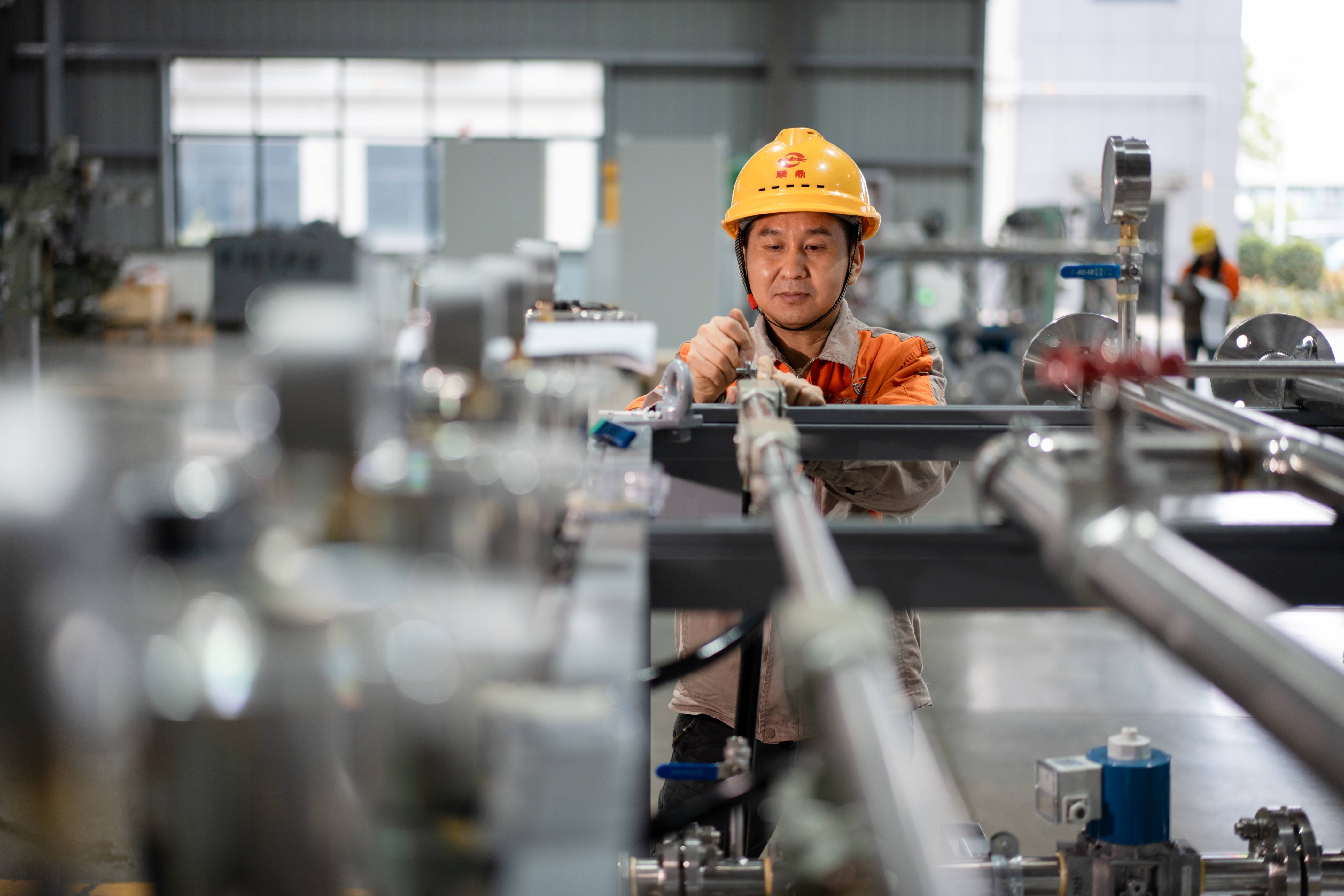










Understanding the energy efficiency differences between oxy-fuel and air-fuel glass furnaces helps manufacturers make informed decisions that impact both operational costs and environmental performance.
Glass manufacturing represents one of the most energy-intensive industrial processes globally. Within this sector, the choice between oxy-fuel and air-fuel furnace technology directly determines energy consumption, production costs, and environmental impact. For glass producers deciding on furnace upgrades or new installations, this comparison reveals crucial insights into long-term operational efficiency.
Understanding Glass Furnace Technology
Glass furnaces operate by melting raw materials—silica sand, soda ash, and limestone—at temperatures exceeding 1700 degrees Celsius. The combustion method used determines how efficiently this process converts fuel into usable heat.
Air-fuel furnaces utilize standard combustion where natural gas or fuel oil burns with atmospheric oxygen. Oxy-fuel furnaces, conversely, replace air with pure oxygen, fundamentally changing the combustion dynamics and heat transfer characteristics.
Air-Fuel Furnaces: Proven Technology with Limitations
Air-fuel furnaces have dominated the glass manufacturing industry for decades, offering simplicity and established maintenance protocols. These furnaces operate with conventional burners that introduce both fuel and air into the combustion chamber.
Key characteristics include:
• Thermal efficiency ranging between 25 to 40 percent—meaning a significant portion of fuel energy escapes through stack losses
• Formation of nitrogen oxides (NOx) due to atmospheric nitrogen in combustion air, requiring additional emission control equipment
• Lower capital investment compared to oxy-fuel systems, making them attractive for budget-conscious operators
• Established supply chains and readily available spare parts across industrial regions
Oxy-Fuel Furnaces: The Efficiency Revolution
Oxy-fuel technology represents a significant advancement in glass furnace design. By replacing atmospheric air with concentrated oxygen in the combustion process, these systems achieve substantially different thermal and chemical outcomes.
Core advantages of oxy-fuel systems:
• Thermal efficiency reaching 50 to 75 percent—nearly doubling the energy conversion compared to air-fuel systems
• Dramatically reduced NOx emissions, with levels 80 to 90 percent lower than air-fuel furnaces, often eliminating the need for selective catalytic reduction (SCR) systems
• Smaller furnace footprints for equivalent production capacity due to higher flame temperatures and better heat distribution
• Improved glass quality through more consistent melt conditions and reduced contamination risk
Energy Efficiency: The Numbers That Matter
The energy savings from oxy-fuel furnaces become apparent when examining actual operational metrics. A typical glass manufacturer producing 100 tons daily experiences measurable differences in fuel consumption and energy costs.
An air-fuel furnace producing 100 tons per day requires approximately 8.5 to 10 million BTU (British Thermal Units) per ton of glass produced. Oxy-fuel systems for the same production volume typically consume 4.5 to 5.5 million BTU per ton—representing energy savings of 40 to 50 percent.
These improvements stem from multiple factors:
• Higher flame temperatures with oxygen-based combustion, reaching approximately 1950 degrees Celsius compared to 1700 degrees Celsius in air-fuel systems
• Reduced stack losses because nitrogen (which comprises 79 percent of air) no longer passes through the furnace without contributing to heat
• Improved radiant heat transfer efficiency within the furnace chamber
• Better temperature uniformity, reducing the need for excessive heating to ensure complete melting
Real-World Operating Cost Comparison
While oxy-fuel furnaces save significant energy, comprehensive cost analysis requires examining capital investment alongside operational expenses.
Air-fuel furnace systems typically require capital investments of 2 to 3 million dollars for medium-capacity installations. Operating costs include fuel, minimal oxygen (only ambient air), and regular maintenance estimated at 100,000 to 150,000 dollars annually.
Oxy-fuel installations demand initial capital investments of 5 to 8 million dollars, reflecting the additional infrastructure for oxygen generation, separation, and storage systems. However, annual operating costs remain competitive, ranging from 80,000 to 120,000 dollars despite higher fuel consumption being offset by reduced overall energy requirements.
Return on investment timelines typically span 5 to 8 years, depending on energy prices, current utility costs in your region, and production volume. Manufacturers in areas with expensive electricity see faster payback periods since oxy-fuel systems require less total energy input.
Environmental Impact and Regulatory Compliance
Beyond energy efficiency, environmental performance influences furnace selection increasingly. Stricter emissions regulations in Europe, North America, and developing industrial regions favor low-emission systems.
Oxy-fuel furnaces produce substantially lower pollutant emissions. The absence of nitrogen oxides means facilities avoid costly NOx reduction technologies while simultaneously meeting stringent environmental standards. Carbon dioxide emissions also decrease proportionally with reduced fuel consumption.
Air-fuel systems, by contrast, typically require advanced emission control equipment including selective catalytic reduction systems, which add 500,000 to 1 million dollars to capital costs while increasing maintenance complexity. These systems also consume additional energy, further reducing the already lower efficiency of air-fuel furnaces.
Making the Right Choice for Your Facility
Selecting between oxy-fuel and air-fuel furnaces depends on specific operational circumstances and long-term business objectives.
Choose air-fuel furnaces if your facility operates at relatively low capacity, replacement rather than expansion is your goal, minimal regulatory pressure exists, and capital budget constraints are strict. These situations favor proven, lower-investment technology.
Oxy-fuel furnaces make economic sense when your operation requires high production capacity, energy costs in your region are substantial, environmental regulations demand low emissions, and you plan to operate the furnace for 20+ years. The superior efficiency becomes increasingly valuable over extended operational periods.

Unlock Your Exclusive Glass Production Solution!