










The glass manufacturing industry accounts for approximately 2-3% of global industrial CO2 emissions. As environmental regulations tighten and consumers demand sustainable products, manufacturers face mounting pressure to adopt cleaner technologies. Oxy-fuel combustion technology stands out as one of the most effective solutions available today, offering substantial carbon reduction without compromising production capacity or product quality.
Oxy-fuel technology replaces traditional air-fuel combustion with pure oxygen-fuel systems, fundamentally transforming how glass furnaces operate. This shift doesn't just reduce emissions—it creates measurable efficiency gains that benefit manufacturers' bottom lines while supporting global climate objectives.
Eliminates Nitrogen Gas from Combustion
Traditional glass melting furnaces burn fuel using air, which contains 78% nitrogen. This nitrogen gas doesn't participate in combustion but simply passes through the furnace, carrying away substantial heat energy.
When manufacturers switch to oxy-fuel systems, they use pure oxygen instead of air. This fundamental change means:
Approximately 30-50% reduction in combustion gas volume
Significantly lower heat losses through exhaust streams
Higher flame temperatures reaching 2000°C compared to 1600°C with air-fuel systems
By eliminating nitrogen's thermal drag, furnaces achieve superior energy efficiency. The glass melts faster at higher temperatures with less fuel consumption, directly translating to lower CO2 emissions per ton of glass produced.
Reduces Fuel Consumption and Energy Requirements
The improved combustion efficiency of oxy-fuel systems delivers measurable fuel savings. Industry data consistently shows that glass manufacturers reduce natural gas or fuel oil consumption by 20-35% when transitioning from air-fuel to oxy-fuel technology.
This efficiency gain stems from multiple factors working in concert:
Enhanced heat transfer directly to the glass material rather than waste gases
Reduced thermal losses through furnace walls and exhaust systems
Optimized residence time for glass homogenization
Better flame characteristics and combustion control
For a typical glass production facility processing 100 tons daily, fuel consumption reduction translates to avoiding approximately 50-80 tons of CO2 emissions annually. When multiplied across hundreds of glass plants worldwide, oxy-fuel adoption creates significant environmental impact.
Minimizes NOx Emissions and Air Pollutants
Beyond carbon dioxide, glass furnaces traditionally produce nitrogen oxide (NOx) emissions—problematic air pollutants that contribute to smog formation and respiratory health issues. These emissions result from nitrogen in combustion air reacting at high temperatures.
Oxy-fuel systems eliminate the nitrogen source entirely, achieving dramatic NOx reductions:
Traditional air-fuel furnaces: 600-800 mg/Nm³ NOx emissions
Oxy-fuel furnaces: 50-100 mg/Nm³ NOx emissions
This 85-90% reduction in NOx emissions supports manufacturers in complying with increasingly strict environmental regulations while improving local air quality. For communities surrounding glass production facilities, oxy-fuel adoption means measurable health and environmental benefits.
Concentrates CO2 for Potential Capture and Utilization
One of oxy-fuel technology's most innovative advantages involves the exhaust composition. In traditional air-fuel systems, combustion gases are highly diluted with nitrogen, making CO2 capture economically challenging.
Oxy-fuel combustion produces exhaust containing 80-90% CO2 and water vapor—with nitrogen virtually absent. This concentrated composition creates unprecedented opportunities:
Direct carbon capture becomes economically viable at industrial scale
Captured CO2 can be utilized in building materials, chemicals, or food production
Creates potential revenue streams through CO2 sales or utilization credits
Supports circular economy principles and carbon neutrality targets
Leading glass manufacturers are already integrating CO2 capture systems with oxy-fuel furnaces, creating pathways toward net-zero operations. This represents a fundamental shift from simply reducing emissions to actively removing carbon from production processes.
Improves Product Quality and Production Efficiency
Carbon reduction shouldn't come at the cost of product quality or operational efficiency. Fortunately, oxy-fuel technology delivers the opposite—enhanced quality while reducing environmental impact.
Glass producers switching to oxy-fuel systems report significant operational improvements:
Improved glass homogeneity and reduced defects
Enhanced color consistency in colored glass production
Increased furnace melting capacity without physical expansion
Faster glass processing and higher throughput rates
Extended furnace campaign life due to reduced pollutant corrosion
These operational gains mean manufacturers achieve better returns on their oxy-fuel investments while simultaneously meeting sustainability commitments. Production efficiency increases translate to lower per-unit production costs, creating strong economic incentives for technology adoption.

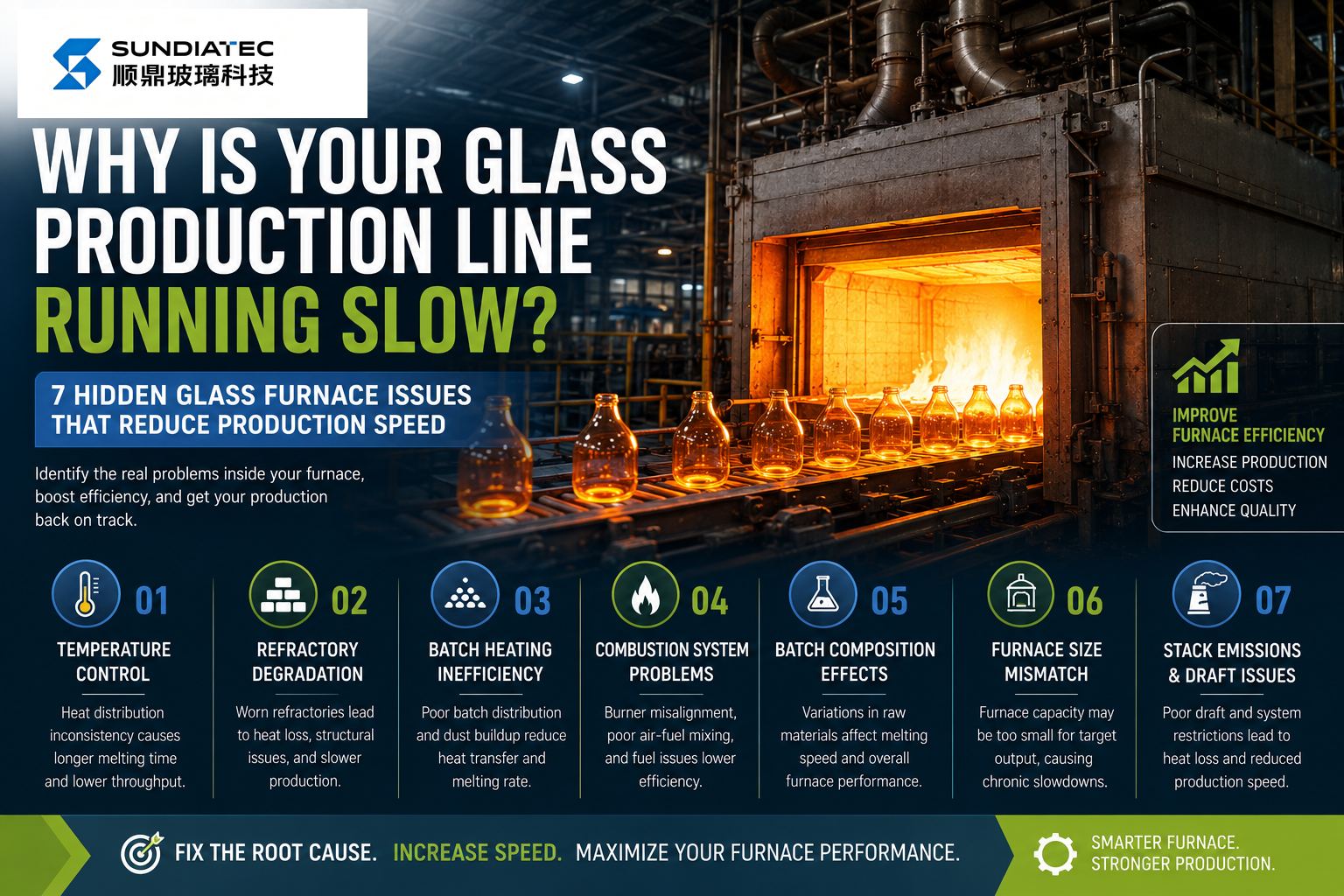
Unlock Your Exclusive Glass Production Solution!