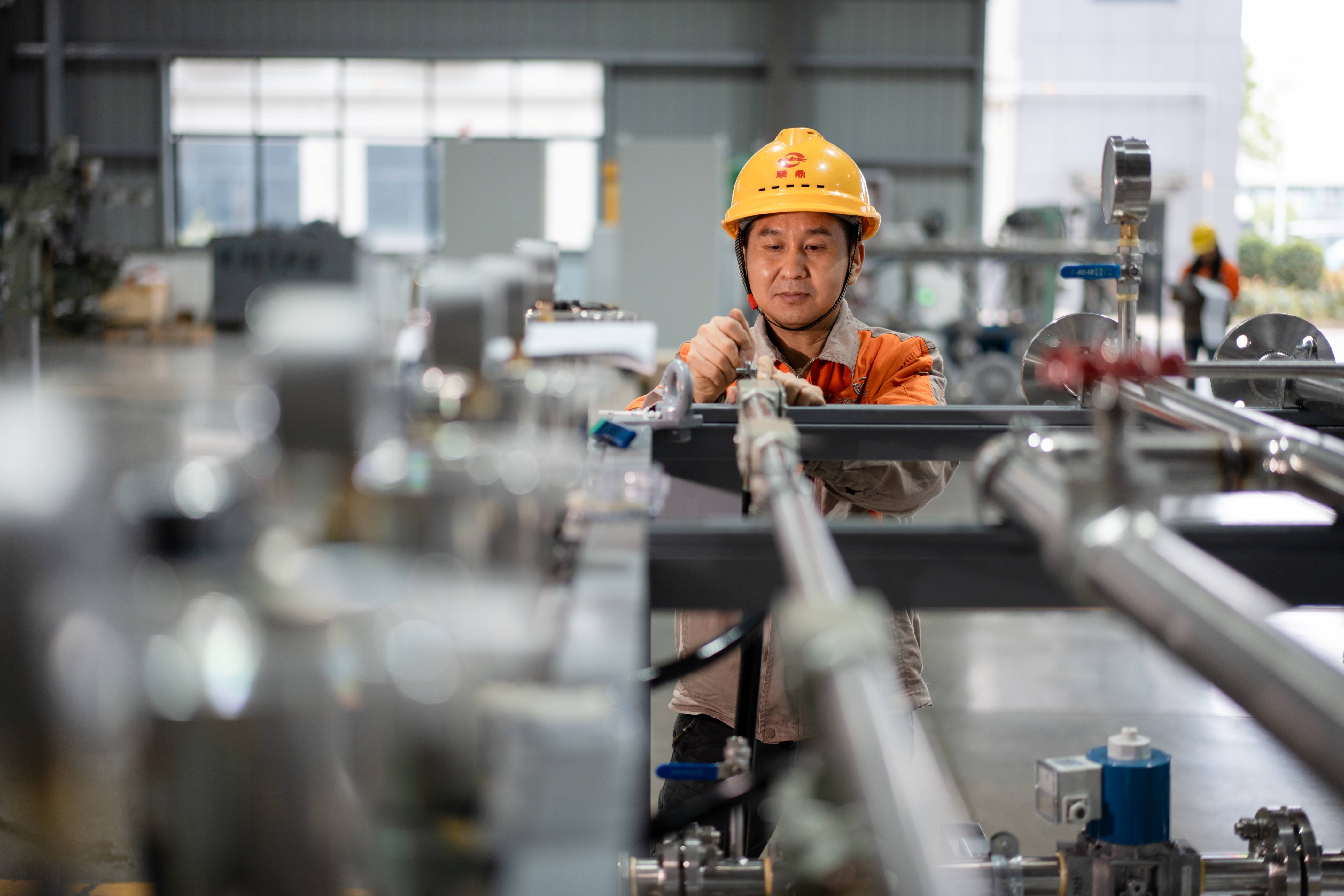










A glass melting furnace is built by combining a refractory-lined melting chamber, a heating system (electric, gas, or oxy-fuel), a batch charging system, and a precision temperature control unit. The process involves engineering design, refractory selection, furnace construction, heating system installation, and a controlled commissioning phase before continuous glass production can begin. Whether you need an electric glass melting furnace for small-batch specialty glass or an industrial glass melting furnace for large-scale production, the fundamentals of design, materials, and safety remain the same.
What is a Glass Melting Furnace?
A glass melting furnace is the core piece of equipment in any glass manufacturing plant. Its job is simple to describe but difficult to execute well: raise raw materials such as silica sand, soda ash, and limestone to temperatures between 1,400°C and 1,600°C until they fuse into a homogeneous molten glass that can be formed into bottles, containers, flat glass, fiberglass, or specialty glass products.
Every glass melting furnace, regardless of size or fuel type, has to manage three things at once: extremely high and stable heat, chemically aggressive molten glass that will corrode ordinary materials, and a continuous production cycle that can run non-stop for years between rebuilds. Understanding how these furnaces are engineered helps plant owners make better decisions when planning a new production line or replacing an aging furnace.
Main Types of Glass Melting Furnaces
Before looking at construction steps, it helps to understand the main furnace categories, since the design and build process differs slightly for each.
Electric Glass Melting Furnace
An electric glass melting furnace uses submerged electrodes to pass current directly through the molten glass, which acts as the resistive heating element. This type is popular for smaller-capacity or specialty glass production because it offers precise temperature control, lower emissions, and a compact footprint. Electric furnaces are common in fiberglass, borosilicate, and specialty optical glass production.
Industrial Glass Melting Furnace (Gas or Oxy-Fuel Fired)
An industrial Glass melting furnace manufacturer built for large-volume container, float, or fiberglass production typically relies on fuel combustion above the glass bath. Traditional designs use air-fuel burners, while modern high-efficiency plants increasingly use oxy-fuel combustion, which burns fuel with pure oxygen instead of air. This reduces nitrogen-related emissions, improves thermal efficiency, and increases melting capacity within the same furnace footprint.
Hybrid Furnaces
Some modern industrial glass melting furnace designs combine electric boosting with fuel-fired heating to balance energy costs, output flexibility, and glass quality. This is increasingly common in plants looking to reduce their carbon footprint without a full electric conversion.
How to Make a Glass Melting Furnace: Step-by-Step
Building a glass melting furnace is a specialized engineering project, not a simple construction job. It requires a coordinated process across design, materials, mechanical installation, and controlled start-up. Below is the general sequence followed by professional glass equipment manufacturers.
Step 1: Engineering Design and Capacity Planning
The process starts with defining production capacity (tons of glass per day), the type of glass to be produced, and the fuel source available on site (electricity, natural gas, or oxygen supply for oxy-fuel operation). Engineers use this data to calculate furnace dimensions, melting area, and combustion or electrode layout.
Step 2: Refractory Material Selection
The furnace structure is built almost entirely from refractory materials able to withstand continuous exposure to molten glass and extreme heat without degrading. Key refractory zones include:
• Melting tank blocks – fused-cast AZS (alumina-zirconia-silica) blocks that resist glass corrosion
• Superstructure refractories – high-alumina or silica bricks for the crown and walls above the glass line
• Insulation layers – lightweight insulating bricks that reduce heat loss and protect the outer steel structure
• Electrode blocks (for electric furnaces) – specialized refractories designed to seal around submerged electrodes
Step 3: Furnace Structure Construction
Once materials are selected, the furnace is built layer by layer: the steel superstructure and support frame are erected first, followed by refractory bricklaying for the melting tank, walls, and crown. Expansion joints and steel binding systems are installed to accommodate thermal expansion during operation without cracking the refractory lining.
Step 4: Heating System Installation
Depending on the furnace type, this stage includes different equipment:
• Electric glass melting furnace: electrodes are installed through the furnace bottom or sides and connected to transformers and power control panels
• Industrial glass melting furnace (fuel-fired): burners, oxygen or air supply lines, and combustion control systems are installed along the furnace walls
• Regenerators or recuperators (for air-fuel furnaces) are built to recover waste heat and improve fuel efficiency
Step 5: Batch Charging and Material Handling Systems
A batch house and charging system are installed to feed raw materials (sand, soda ash, limestone, cullet) into the furnace at a controlled rate. Automated batch chargers help maintain a consistent melt quality and reduce manual handling risks.
Step 6: Instrumentation and Temperature Control
Modern furnaces rely on thermocouples, cameras, and automated control systems to monitor temperature zones across the melting, refining, and working ends of the furnace. Precise control here directly affects glass quality, energy consumption, and furnace lifespan.
Step 7: Drying, Heat-Up, and Commissioning
Before production begins, the furnace undergoes a slow, carefully scheduled heat-up curve, sometimes lasting several weeks, to dry out moisture in the refractory and avoid thermal shock cracking. Once the target temperature is reached, the initial glass melt is introduced and quality is monitored closely before the furnace is handed over for continuous production.
Glass Melting Furnace for Sale: What to Check Before You Buy
If you are evaluating a glass melting furnace for sale rather than building one from scratch, the same engineering fundamentals still apply, you are simply trusting a manufacturer to have executed them correctly. Before purchasing, verify the following:
1. Furnace capacity matches your actual production targets, not just nameplate figures
2. Refractory specification and expected campaign life (years between rebuilds)
3. Combustion system type — air-fuel, oxy-fuel, or electric — and its fit with your available utilities
4. Energy efficiency data and expected fuel or electricity consumption per ton of glass
5. After-sales support: installation supervision, commissioning assistance, and operator training
6. Track record: request references or case studies from the manufacturer's previous projects
Common Mistakes to Avoid
• Underestimating refractory quality to cut upfront costs, which shortens furnace life significantly
• Skipping a proper heat-up and drying schedule, which risks cracking the refractory lining
• Choosing furnace capacity based only on current demand without allowing for future growth
• Ignoring energy efficiency in the design phase, leading to higher long-term operating costs
• Not budgeting for a qualified commissioning and training team during furnace start-up
Expert Tips
• Oxy-fuel combustion can cut NOx emissions dramatically compared to air-fuel systems while improving thermal efficiency
• A well-maintained industrial glass melting furnace typically runs for 8 to 15 years before a major rebuild is required
• Working with a manufacturer that offers full turnkey support, from design to commissioning, reduces cross-border project risk significantly for international buyers
Frequently Asked Questions
How long does it take to build a glass melting furnace?
Depending on capacity and complexity, construction and commissioning typically take several months, including design, refractory installation, and a multi-week heat-up and drying period before production starts.
What temperature does a glass melting furnace reach?
Most glass melting furnaces operate between 1,400°C and 1,600°C, depending on the glass composition being produced.
Is an electric glass melting furnace cheaper to run than a fuel-fired one?
It depends on local electricity and fuel prices, furnace size, and glass type. Electric furnaces often have lower emissions and better temperature control, but fuel-fired or oxy-fuel furnaces are generally more cost-effective at very large production volumes.
Can an existing furnace be converted to oxy-fuel?
Yes. Many glass manufacturers convert existing air-fuel furnaces to oxy-fuel combustion to improve efficiency and reduce emissions, though this requires careful engineering evaluation of the existing furnace structure and utilities.
Conclusion
Building a glass melting furnace, whether an electric glass melting furnace for specialty applications or a full-scale industrial glass melting furnace for continuous production — is a precise engineering process that combines refractory science, combustion or electrical engineering, and careful commissioning. Getting each stage right directly determines your furnace's efficiency, glass quality, and operating lifespan.
If you are planning a new furnace project or exploring a glass melting furnace for sale, working with an experienced equipment partner can help you avoid costly design mistakes and reduce project risk from day one. Sundiatec specializes in oxy-fuel furnace design, construction, and turnkey commissioning for glass manufacturers worldwide, supporting your project from initial planning through to stable production.
Ready to plan your next furnace project? Get in touch with the Sundiatec team today for a consultation tailored to your production goals.

Unlock Your Exclusive Glass Production Solution!