






Incinerator for Rock Wool Lines: Heat Recovery Guide


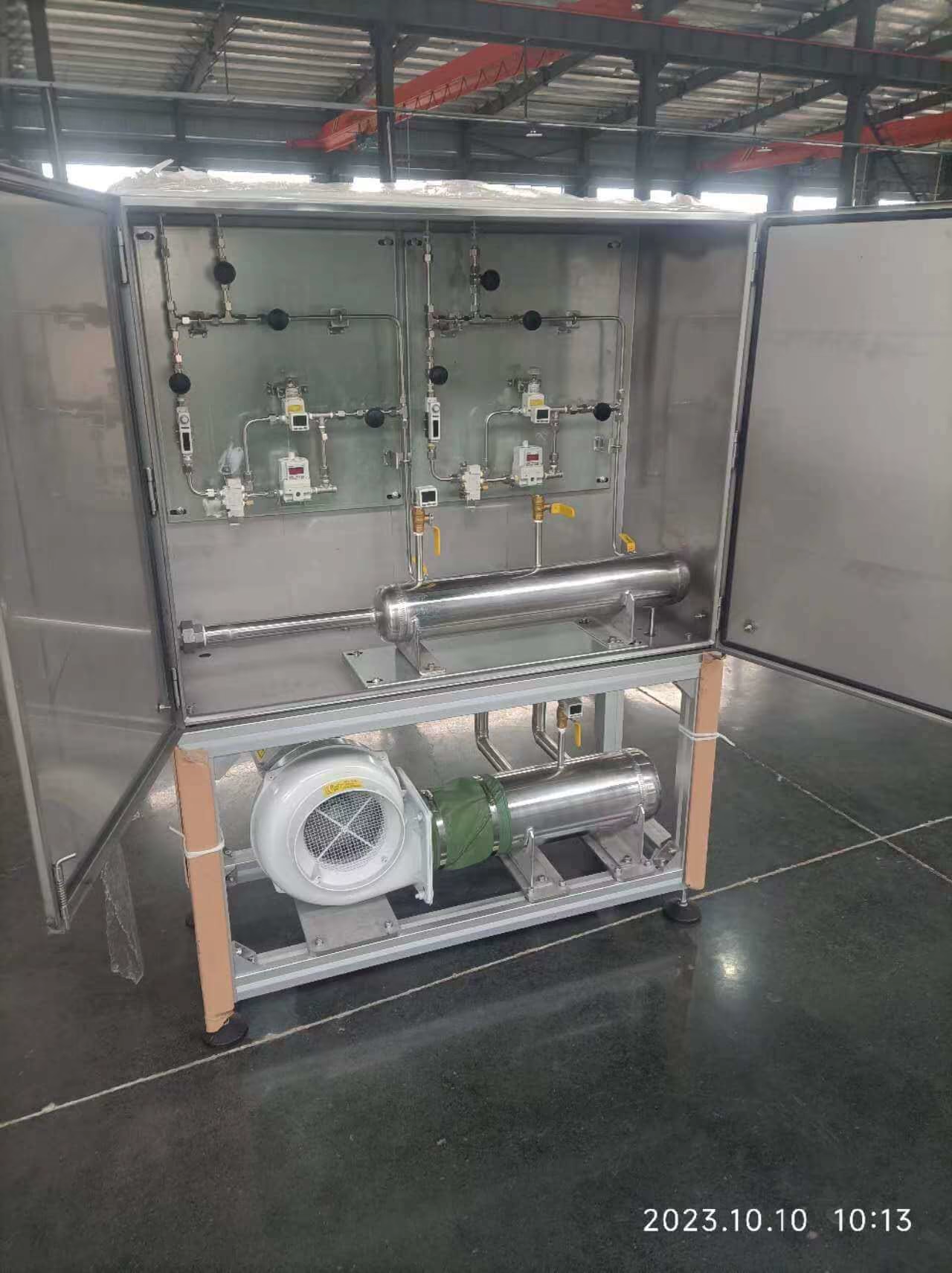
An incinerator for rock wool lines treats combustible pollutants in process exhaust through controlled thermal oxidation. Depending on the plant, it may treat cupola off-gas or curing exhaust and recover heat for process use. Selection depends on the gas source, composition, flow range and required outlet performance.
In this context, an incinerator is an exhaust-treatment unit, often called a thermal oxidizer or afterburner. It is different from equipment that burns solid waste. A useful specification starts by identifying which exhaust stream needs treatment and where the recovered heat can be used.
Separate cupola off-gas from curing exhaust
A rock wool production line has several emission sources. Melting and binder curing create different treatment duties, while cutting and material handling also produce dust. These streams should be characterised before deciding whether any can share treatment equipment.
The rock wool melting system determines the starting point for the hot-end assessment. A coke cupola and an electric melting installation do not have the same off-gas profile. Do not transfer a cupola heat-recovery calculation to another melting route without checking the gas and energy balances.
How the thermal oxidation system works
The system brings the waste gas into a controlled combustion zone with the conditions needed to oxidize the target combustible constituents. Temperature, residence time and mixing all matter. Auxiliary fuel may be needed during startup or when the incoming gas cannot maintain the required duty.
In a cupola application, carbon monoxide in the exhaust can contribute heat when oxidized. The gas may need conditioning and filtration before entering the oxidizer. The exact order of cooling, filtration, oxidation and heat exchange depends on the equipment and gas characteristics.
Specify the full operating range, including low-load production and changes in gas composition. A nominal temperature on a quotation does not establish treatment performance at every condition. The chamber, burner, air supply and gas-handling system must be assessed together.
Choose a heat-recovery arrangement for the actual duty
Recuperative systems transfer heat through a heat exchanger. Regenerative thermal oxidizers, usually called RTOs, alternately store and release heat through beds such as ceramic media. Both recover energy, but their equipment and operating requirements differ.
Do not assume every unit sold as an incinerator is an RTO. Ask for the process flow diagram and heat balance. The equipment name alone does not establish the heat-recovery method, treatment efficiency or compatibility with a dusty process stream.
Recover useful heat without assuming guaranteed savings
Cupola off-gas oxidation can support heat recovery for combustion-air preheating. Some configurations also provide heat for the curing process. The useful output depends on gas availability, exchanger performance and the simultaneous demand for heat.
Coordinate the heat supply with the rock wool curing oven. Air delivered to a heating circuit, oven operating conditions and the temperature experienced by the wool are different quantities. A supplier's hot-air delivery figure should not be used as a curing recipe.
For a cost comparison, establish the current fuel use at a defined production rate and product mix. Then include auxiliary fuel, fan electricity, cleaning, maintenance and any additional treatment costs. Compare useful heat delivered over the same operating period. Heat that cannot be used during a shutdown should not be counted as a fuel saving.
Annual savings from another factory depend on its fuel prices and operating conditions. A quotation should explain the assumptions behind its own estimate, including startup hours and periods when the gas has a lower heating value.
Match burners and gas controls to changing conditions
The burner and gas-handling controls must accommodate the specified exhaust range. Define fuel supply conditions, combustion-air requirements and interfaces with the upstream process before selecting the auxiliary heating equipment.

Ask the system designer to document the startup, normal-operation and shutdown sequences, including the response to loss of flame, abnormal flow or a downstream trip. These functions need to be coordinated with the furnace and extraction system. Their settings belong in the engineered control design and commissioning documentation.
For a retrofit, check available fan pressure and the resistance introduced by new ducts, filters and heat exchangers. Adding an oxidizer can change the operating conditions of the existing extraction system. Review the complete gas path before finalising the installation layout.
Keep oxidation separate from other emissions-control duties

Thermal oxidation addresses combustible gas constituents. A complete exhaust-treatment system may also need particulate removal and treatment for sulfur compounds or other pollutants identified in the assessment. One combustion chamber does not perform every cleaning function.
For example, oxidation of a sulfur-containing compound does not remove sulfur from the gas stream. The resulting emissions still need to be considered in the treatment design. Likewise, dust and fibres require an appropriate collection route, and captured material needs a defined handling arrangement.
Check the required outlet performance against the actual site requirements and test conditions. Concentration values need their reporting basis, including wet or dry gas and any oxygen correction. A removal percentage and an outlet concentration are different measures; both need enough information to interpret them.
Monitor performance and plan maintenance access
Monitoring should show whether the treatment unit is operating within its validated range. Relevant measurements can include chamber temperature, exhaust flow and pollutant concentrations, together with the pressure and fuel information needed to diagnose changes.

A stable temperature reading is only one part of the evidence. Changes in inlet composition, flow or capture conditions can alter the treatment duty. Agree the monitoring points and acceptance measurements with the process and environmental specialists.
Provide access for inspecting and cleaning the heat exchanger, filters and ducts. Deposits can restrict flow and reduce heat transfer. The proposal should identify likely cleaning tasks, replaceable components and the effect of maintenance on production. Trend operating data so that gradual changes can be investigated before they force a shutdown.
What to include in the technical enquiry
For new or existing rock wool production equipment, describe the exhaust duty separately from the line's nominal annual capacity. The following inputs make supplier proposals easier to compare.
Frequently asked questions
Is this equipment used to burn solid rock wool waste?
The equipment discussed here treats process exhaust gas. Recycling offcuts, handling collected dust and processing solid waste are separate duties. A supplier should identify the actual feed stream before proposing equipment. A solid-waste incinerator specification is not a substitute for a rock wool exhaust-treatment design.
Can the same oxidizer treat cupola and curing exhaust?
It requires a specific engineering assessment. The streams can differ in combustible content, dust, moisture and operating schedule. Combining them changes the total flow and treatment duty. Shared equipment should be proposed only after checking gas compatibility, control behaviour and the required performance across operating conditions.
Does every rock wool incinerator use regenerative heat recovery?
No. Equipment may use recuperative heat exchangers, regenerative beds or another defined arrangement. The term incinerator alone does not identify the design. Ask for the gas-flow diagram, heat-recovery method and maintenance requirements, then check whether they suit the measured exhaust stream.
Can cupola off-gas eliminate auxiliary fuel consumption?
Combustible off-gas can provide useful heat, but fuel demand depends on its flow, composition and the required operating conditions. Startup and low-load periods may still need auxiliary fuel. An estimate should include those periods and the heat-recovery arrangement rather than assume fuel-free operation throughout the year.
What temperature should the incinerator operate at?
The required temperature depends on the pollutants, residence time, mixing and validated treatment duty. Use the system designer's specification and the applicable acceptance requirements. A temperature quoted for another plant cannot establish the correct setting for a different gas stream or chamber design.
Does thermal oxidation guarantee compliance?
No. Compliance depends on the full treatment system, pollutant targets, capture performance and verified operating conditions. An oxidizer may form one part of that system. Dust control, other gas treatment and emissions testing can still be required, and the applicable requirements must be established for the project location.
Discuss the exhaust-treatment scope with Sundiatec
Sundiatec's published melting equipment range includes a melting waste gas recycling system. For a project discussion, share the melting route, available exhaust measurements and intended use of recovered heat. Confirm the treatment equipment, supply responsibilities and performance conditions in the technical offer.
For an upgrade, include the existing process diagram and the problem to be addressed, such as fuel use, heat-exchanger fouling or an emissions target. This gives the engineering review a defined starting point.