







How to Compare Industrial Furnace Manufacturers


Shortlist industrial furnace manufacturers by the process they can demonstrate on your material. A heat-treatment shop needs evidence of temperature control throughout a loaded chamber. A glass plant needs evidence of sustained melting output and glass quality. Give shortlisted suppliers the same operating conditions, supply scope and acceptance test before comparing prices.
Match the manufacturer to the furnace duty
Start with the change the furnace must produce in the material. Two furnaces with the same maximum temperature can serve very different processes. Write down the material entering the furnace, the condition required at discharge and how the plant will judge an acceptable result.

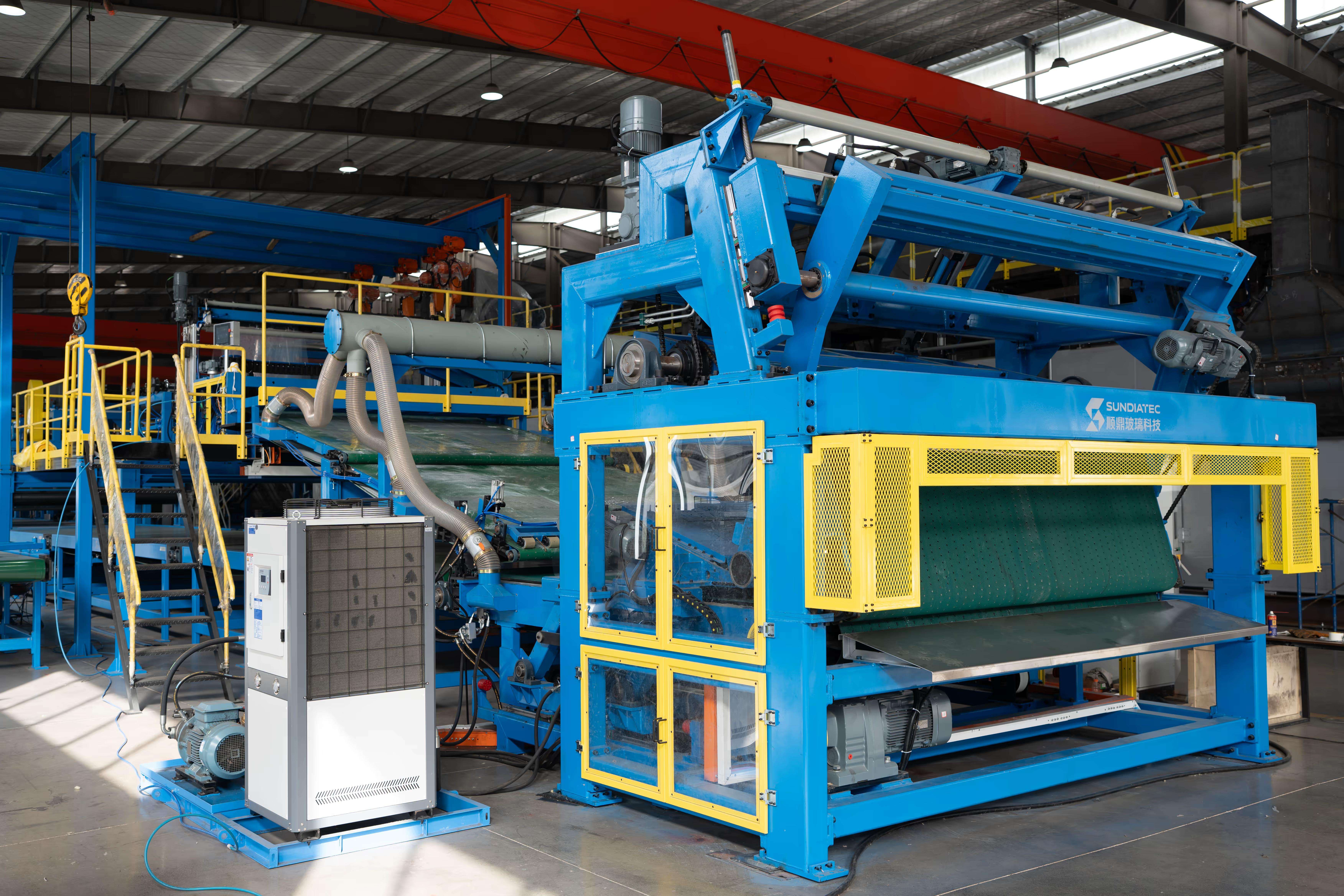
Directories can supply names for a first enquiry. For example, Carbolite publishes tube and chamber furnace ranges, Ipsen presents vacuum and atmosphere heat-treatment systems, and Sundiatec describes glass melting and combustion equipment. Each portfolio answers a different purchasing question. For a reference installation, ask what material it processed, when it ran and which part of the installation the manufacturer supplied.
Send every supplier the same process brief
A heat-treatment RFQ should describe the heaviest load, its arrangement on fixtures, the required cycle and the acceptable variation through the load. Specify whether the quoted cycle includes loading, cooling and unloading. Two offers that quote the same batches per shift may assume different lengths of shift or different payloads.
For glass, give the batch composition, expected cullet range, glass quality requirements and target tonnes of acceptable glass per day. Identify where output is measured. Furnace pull and packed product leaving the factory are different quantities. For a rebuild, add the existing drawings, utility connections and shutdown window.
Ask the manufacturer to return the brief with each requirement marked as included, conditional or excluded. A stated condition such as “output assumes continuous operation on clear glass” can materially change which proposal fits a mixed-product plant.
Compare energy and utilities at the same output
Request an energy balance for a stated product, output and operating schedule. A low fuel figure can look attractive until the quotation identifies the oxygen or electricity that the customer must supply. The US Department of Energy's process-heating sourcebook describes assessing the heating system as a whole, including opportunities in fuel-fired and electric equipment. [1]

Consider an oxy-fuel glass furnace proposal. Ask for fuel and oxygen consumption on the same glass pull and quality basis as the alternative. If oxygen is generated on site, identify the electricity and maintenance in the oxygen supply estimate. For delivered oxygen, use the delivered tariff and agreed supply conditions. Check that the same expense has not been counted twice.
A simple comparison uses annual fuel, electricity, oxygen and planned maintenance cost divided by annual tonnes of acceptable glass. Keep capital cost, rebuild downtime and major refractory replacement visible as separate items. Where the result depends heavily on a tariff or operating schedule, recalculate both offers under the same changed assumption.
Find the gaps between equipment and installation
A supplier may quote the furnace body while another includes erection, controls and commissioning. Ask each to identify who designs, supplies, installs and tests every connection. This matters particularly where several contractors share the fuel train, oxygen supply, exhaust system or plant controls.
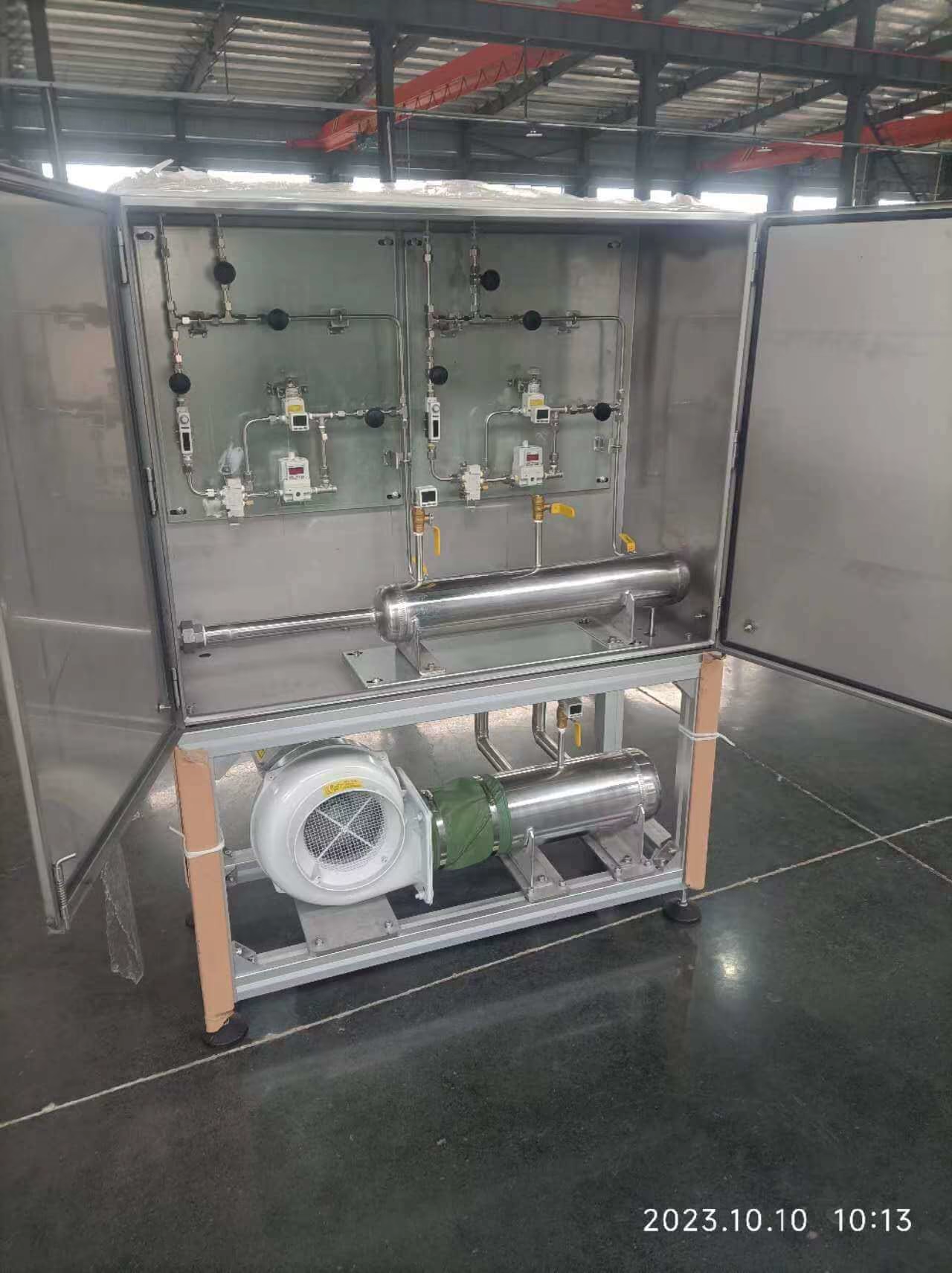
For a glass project, review the oxy-fuel furnace combustion control system with the plant controls team. Confirm the handover between the combustion skid and distributed controls. When a quotation includes oxy-fuel furnace auxiliary equipment, name each item in the scope so the controls, cooling and charging responsibilities are clear.
Glass composition and the product sector also matter when defining environmental scope. The European Commission's glass reference document distinguishes container glass, flat glass, glass fibre and mineral wool, among other sectors. Use the relevant sector when discussing treatment requirements with the project team. [2]
Write the acceptance test before selecting a supplier
Agree how the plant will decide whether the delivered equipment meets the order. A workshop test can verify controls and mechanical functions. Demonstrating process performance requires the specified material, utilities and operating conditions, often during site commissioning.

For a batch furnace, specify the load arrangement, measurement locations and the part of the cycle under review. For a glass tank, agree the pull rate, glass composition, test duration, quality sampling and utility meters. Define how both parties handle interruptions, rejected output and repeat tests. These terms allow engineering and purchasing teams to interpret the same results.
Ask for one comparable reference and a sample acceptance record with confidential details removed. A proposal becomes easier to assess when the manufacturer can explain how a deviation was measured, diagnosed and corrected. Check the availability of replacement parts and service after handover alongside the initial equipment price.
Questions buyers ask
How many industrial furnace manufacturers should we approach?
Start with suppliers that can demonstrate the relevant process and support the project location. Invite those that meet the technical brief to quote on a common basis. A short group of comparable proposals usually gives purchasing a clearer choice than a long list spanning unrelated furnace types.
When is a standard furnace suitable?
A standard configuration is worth evaluating when the useful chamber size, load, atmosphere and cycle fit the product. Request evidence under the intended working conditions. Custom engineering becomes more relevant when handling, line integration, material chemistry or utility constraints fall outside the documented range.
How should we compare electric and fuel-fired proposals?
Use the same product quality and saleable output. Include site power capacity, fuel or oxygen infrastructure, demand charges where applicable and the operating schedule. Ask how each design performs at the loads the plant actually runs, including the operating periods that account for most annual production.
What should a retrofit manufacturer inspect?
Provide existing drawings and operating records, then agree what needs site verification. Refractory condition, connection points, available space, utility capacity and the shutdown schedule can change the feasible scope. Require the proposal to identify assumptions that remain open after the inspection.
What makes two furnace warranties comparable?
Compare the covered components, start date, exclusions and responsibility for labour, travel and replacement parts. Record performance guarantees separately with their test conditions. A component warranty and a production guarantee answer different questions for the plant owner.
Discuss a glass furnace project with Sundiatec
For a glass furnace engineering enquiry, send the intended glass composition, required pull, available utilities and site layout. For an existing furnace, include the rebuild window and the operating problem you want to resolve. Ask Sundiatec to identify the scope, assumptions and acceptance conditions in its technical proposal.
Technical references
[1] US Department of Energy. Improving Process Heating System Performance: A Sourcebook for Industry, second edition. Background on system efficiency and process-heating economics.
[2] European Commission Joint Research Centre. Manufacture of Glass. Sector scope and access to the glass manufacturing reference document.