Rock wool production line — original Sundiatec page banner

Rock Wool & Mineral Wool Production Line & Equipment

Plan a stone wool production line around your product requirements, raw materials and site conditions. Explore Sundiatec’s equipment for batching, melting, fiberizing, forming, curing and finishing.

What Is a Rock Wool & Mineral Wool Production Line?

A rock wool production line is an integrated system that turns mineral raw materials into insulation products through batching, melting, fiberizing, forming, curing and finishing. Rock wool (stone wool) belongs to the mineral wool product family, and this line is also referred to as a mineral wool production line. A glass wool production line uses a different raw material composition and production route.

The equipment must work as a coordinated line. The melting system, fiber output, forming section and curing capacity all influence the finished product and achievable production rate.

Sundiatec rock wool production line layout

Equipment Across the Rock Wool & Mineral Wool Production Process

Explore selected equipment from Sundiatec’s published rock wool production range. Equipment images are AI-generated visualizations based on Sundiatec’s published equipment references. Drum collection, pendulum laying, other finishing operations and packing should be defined separately in the complete line configuration.

01 / Raw Material Preparation

Automatic Batching System

AI-generated equipment visualization: batching

The batch plant for mineral wool production lines prepares and feeds the raw material mixture to the melting section. Define the available mineral materials, storage requirements and target feed rate when planning the weighing, conveying and furnace-feeding arrangement.

02 / Melting

Cupola Furnace Melting System

AI-generated equipment visualization: melting

Sundiatec’s published rock wool melting equipment range includes cupola furnaces. The proposed furnace configuration should be assessed against the raw material batch, required melting output and site energy conditions. Electric melting is a separate option to review during line planning.

03 / Fiberizing

Dual Fiberizer

AI-generated equipment visualization: fiberizing

Sundiatec’s published fiberizing equipment includes a dual fiberizer configuration. A rock wool spinning machine converts the mineral melt into fibers and must be matched to the melting rate and product requirements. The downstream drum collection system gathers the fibers for mat formation.

04 / Mat Formation

Multi-section Pleating Machine

AI-generated equipment visualization: forming

Sundiatec lists a multi-section pleating machine within its pressing system. Review its role in the mat-forming configuration together with the required product structure, density and thickness. Coordinate this section with upstream pendulum laying and downstream curing.

05 / Curing

Curing Oven

AI-generated equipment visualization: curing

The curing oven heats the formed wool mat to cure the binder and establish the product structure. Select the oven configuration around the binder system, product thickness, required output and residence time. Confirm the design and performance conditions for the proposed line.

06 / Edge Finishing

Edge Trimmer

AI-generated equipment visualization: cutting

Sundiatec’s published cutting system includes an edge trimmer. Edge trimming, longitudinal cutting, cross-cutting and facing are distinct operations. Define the finished board dimensions and facing requirements before agreeing the complete finishing configuration.

07 / Downstream Planning

Packing & Line Interfaces

Define the required packing format, handling arrangements and connections to downstream equipment in the project scope. Confirm the supply boundary and interfaces during technical discussions.

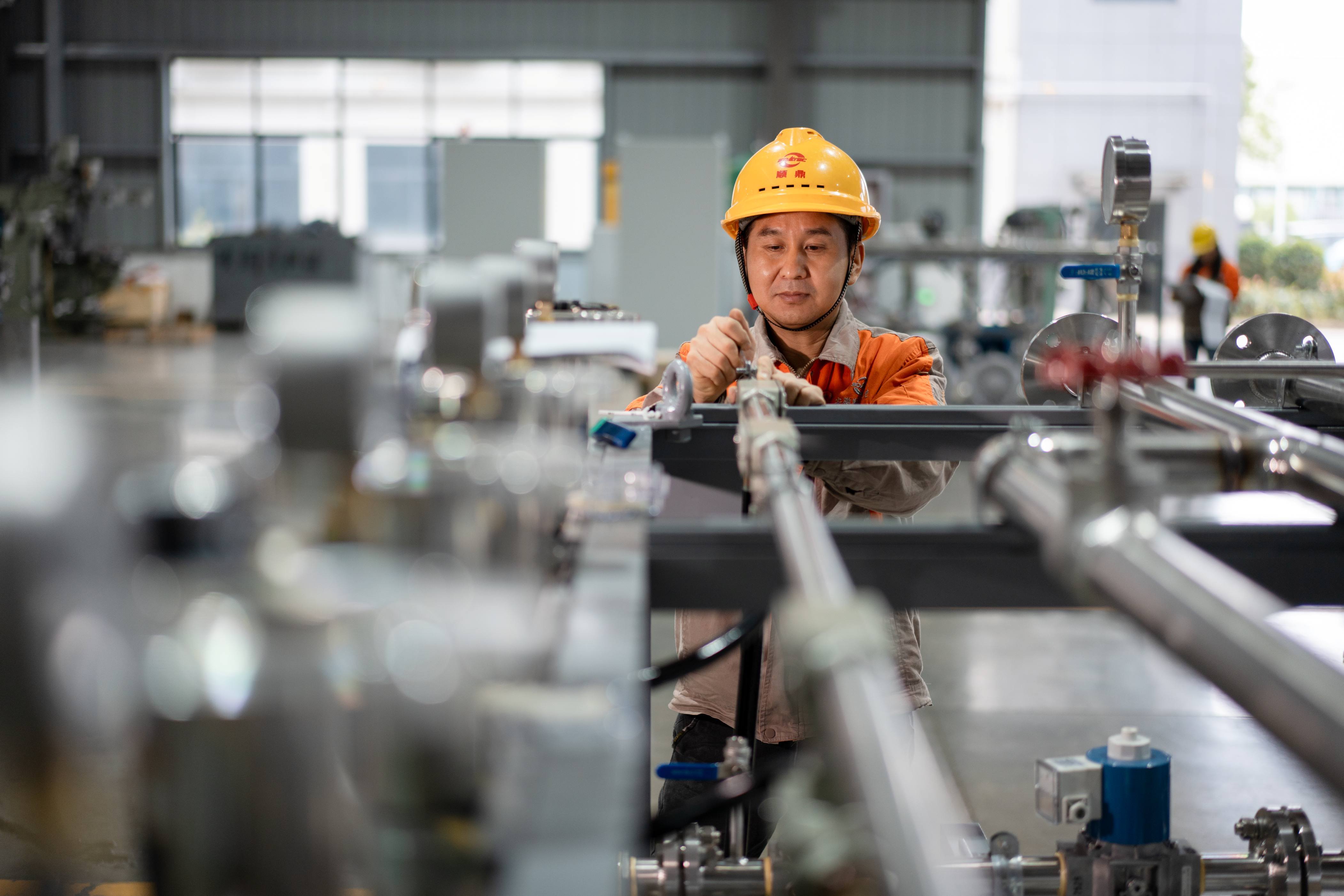
Inside the Manufacturing Workshop

Equipment assembly, fabrication and inspection activities.

Configure the Line for Your Plant

There is no single configuration for every stone wool production line. Define the finished product first, then check whether the hot end, forming section and finishing equipment can meet that requirement together.

Planning inputWhat to defineWhy it matters
Finished productProduct form, density, thickness, dimensions and facingSets the requirements for forming, curing and finishing.
Required outputSaleable finished output per hour; planned operating hoursSeparates finished product capacity from melting throughput and annual estimates.
Raw materialsAvailable mineral sources, composition and preparation needsInforms batching, melting and fiberizing assessment.
Energy supplyElectricity and fuel availability, tariffs and supply limitsSupports furnace selection and operating-cost evaluation.
Factory conditionsSite layout, available space, access and utilitiesDetermines equipment arrangement and installation interfaces.
Environmental requirementsLocal permit requirements, emission limits and treatment scopeDefines the project-specific pollution-control boundary.
Automation & acceptanceControl interfaces, data needs and performance test conditionsClarifies the scope and the basis for evaluating the completed line.

Specify each performance figure with its equipment section, configuration and operating conditions. A collection conveyor speed is not the same as finished-product line speed.

Choose a Melting Route Around Site Conditions

Decision factorCupola routeElectric furnace route
Energy assessmentEvaluate the specified fuel supply, price and handling arrangements.Evaluate electricity price, connection capacity and supply reliability.
Batch assessmentConfirm material suitability and preparation for the proposed furnace.Confirm composition, preparation and melting behavior for the proposed design.
Environmental scopeDefine the required exhaust handling and treatment system.Assess process exhaust treatment and the local electricity-generation context.
Project economicsCompare equipment, fuel handling, maintenance and operating costs.Compare equipment, electrical infrastructure, maintenance and operating costs.

Neither route is universally the lowest-cost option. The comparison needs a common output target, product specification, operating schedule and local energy assumptions.

Agree the Delivery Scope Before Equipment Selection

A rock wool production project involves more than a list of machines. Clarify engineering responsibilities, supply boundaries, site work and commissioning requirements before comparing proposals.

Discuss complete-line requirements with Sundiatec. For replacement equipment or a line upgrade, provide the existing layout, equipment data and the bottleneck you need to address so compatibility and supply scope can be assessed.

  1. Project requirements

    Review product targets, raw materials, capacity and site conditions.

  2. Configuration & quotation

    Define the process route, equipment scope and project interfaces.

  3. Detailed engineering & manufacture

    Confirm layouts, technical requirements and responsibilities.

  4. Installation & commissioning

    Plan site readiness, installation work, startup and operating support.

  5. Acceptance & handover

    Evaluate performance against agreed test conditions and handover requirements.

Rock Wool & Mineral Wool Production Line FAQs

Are rock wool and stone wool production lines the same?

Rock wool and stone wool generally refer to the same type of mineral-fiber insulation production. Mineral wool is the broader category and also includes glass wool. When comparing proposals, check the raw materials, product specification and equipment scope instead of relying only on the name.

What equipment is needed for rock wool production?

A typical line needs batching, melting, fiberizing, collection, forming, curing, cutting and packing sections. Binder preparation, pollution control, utilities and automation interfaces also need to be defined for the project. The exact supply list depends on the finished product and the agreed scope.

How should production capacity be specified?

State the required saleable finished output, product density and thickness, planned operating hours and test conditions. Melting throughput, fiber output and finished-product capacity are different measures. Annual capacity also depends on operating hours, yield and availability, so it should not be calculated from a peak hourly rating alone.

How much does a rock wool production line cost?

A meaningful quotation needs the target output, product range, furnace route, automation requirements and supply boundary. Building work, utilities, environmental systems, installation and commissioning may be quoted separately. Compare proposals against the same scope before comparing their headline prices.

Can an existing line be upgraded instead of replaced?

An upgrade assessment starts with the current equipment, process data and the section limiting production or product quality. Increasing one machine’s rating may not increase saleable output if the next section remains constrained. Share the existing layout and operating information to discuss a suitable assessment.

What information is needed to request a configuration?

Start with your project country, intended product and target capacity. Add available raw materials, energy supply, factory space and product dimensions if known. For an upgrade, include the existing equipment details and the problem to be solved. The remaining inputs can be clarified during technical discussions.


Plan Your Rock Wool & Mineral Wool Production Line

Share your product and capacity targets with Sundiatec. Our team can review the requirements with you and discuss the equipment configuration and project scope.

Request a Line Configuration
0563-2020519
0563-2020519
增长建设站
Get Turnkey Plant Solutions

Get Turnkey Plant Solutions

Expert team, end-to-end responsibility. From design to stable
production, we ensure flawless execution.