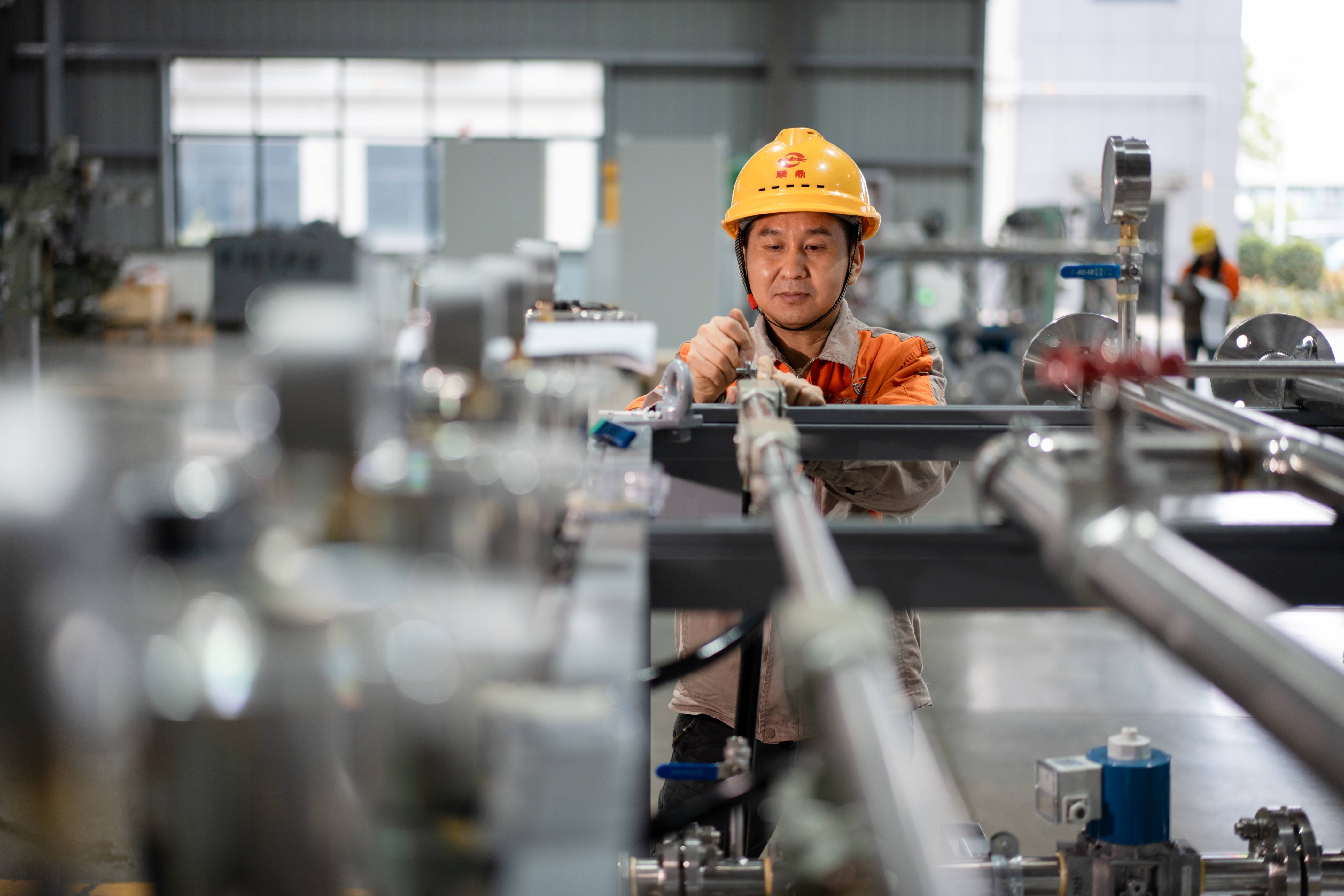









If you are planning a new glass plant or upgrading an existing line, the furnace is the one investment you cannot afford to get wrong. It sets your energy bill, your glass quality, your emissions profile and, ultimately, your profit margin for the next 10 to 15 years. That is why more buyers around the world are searching for a dependable glass furnace manufacturer in China, a country that has built one of the deepest glass engineering ecosystems anywhere.
This guide explains what makes Chinese furnace suppliers competitive, how modern oxy-fuel technology changes the equation, and the practical checks you should make before signing a contract. The goal is simple: help you shortlist a supplier with confidence, not just a low quotation.
Why Global Buyers Look to China for Glass Furnaces
China is the world's largest glass producing country, and that scale has pushed local engineering companies to solve problems that smaller markets rarely face: very high pull rates, tight energy budgets, and increasingly strict environmental rules. Furnace builders in China have had to innovate under real production pressure, which shows in the maturity of their designs.
Three advantages stand out for international customers:
• Integrated supply chain. Refractories, combustion equipment, batching systems and control hardware are all sourced within a short radius, which shortens lead times.
• Proven volume of installations. Suppliers that have delivered dozens or hundreds of furnaces have seen most failure modes and know how to design around them.
• Competitive total cost. The real saving is not only the purchase price. Well-designed furnaces reduce fuel use and rebuild frequency, which matters far more over the campaign life.
Understanding the Glass Melting Furnace: What Actually Matters
A glass melting furnace turns raw batches into homogeneous molten glass at temperatures that commonly exceed 1,500 °C. Its performance depends on much more than the melting tank itself. Batch charging, combustion control, bubbling, cooling, refractory selection and flue gas treatment all work together. A supplier who talks only about the furnace body and ignores the auxiliary systems is giving you an incomplete picture.
When you evaluate a glass melting furnace design, ask specifically about melting rate per square meter, specific energy consumption, expected campaign life, and how the design handles your particular glass type. Container glass, tableware, borosilicate, glass fiber and specialty compositions all behave differently in the melter.
Oxy-Fuel Glass Furnace Technology: The Shift Worth Understanding
Traditional furnaces burn fuel with ambient air, which is roughly 79% nitrogen. That nitrogen absorbs heat, leaves through the stack and forms nitrogen oxides (NOx) at high flame temperatures. An oxy-fuel glass furnace replaces air with high-purity oxygen, and the consequences are significant.
Key Benefits of Oxy-Fuel Combustion
Lower energy consumption. Less nitrogen means less wasted heat. Many operations report meaningful fuel savings compared with older air-fuel designs, although the exact figure depends on furnace size, glass type and how the baseline was operated.
Reduced emissions. Flue gas volume drops sharply and NOx formation is suppressed at the source, making it easier to meet environmental limits.
Better glass quality. A more stable, controllable flame improves melting consistency and can reduce defects such as stones and seeds.
Compact footprint. Without large regenerative chambers, oxy-fuel furnaces can be simpler to build and to rebuild.
Oxy-Fuel vs Air-Fuel at a Glance
To be balanced: oxy-fuel is not automatically the right answer for every plant. Oxygen supply cost, local electricity prices and furnace scale all influence the economics. A trustworthy oxy-fuel furnace manufacturer will run these numbers with you honestly rather than push one technology for every project.
What to Look for in an Oxy-Fuel Furnace Manufacturer
Because oxy-fuel is a specialized field, the supplier's track record matters more here than almost anywhere else in glassmaking. Use the following checklist when comparing candidates.
1. Verifiable Project Experience
Ask how many oxy-fuel furnaces the company has delivered, in which glass categories, and whether they can arrange reference calls or site visits. Numbers that can be checked are worth far more than marketing claims.
2. In-House R&D and Patents
Combustion design is a moving target. Companies that keep a substantial share of their staff in research and development, and hold their own patents, are better positioned to adapt a design to your raw materials and pull rate.
3. Complete Auxiliary Equipment
A furnace is only as good as its support systems. Look for a supplier that can provide the full package: full oxy-fuel combustion systems, automatic batching systems, batch chargers, bubbling and defoaming systems, cooling systems, De-NOx systems and a distributed control system (DCS). Single-source responsibility avoids finger-pointing when something needs tuning.
4. Turnkey Delivery and Commissioning
Cross-border projects carry real risk: schedule slips, unclear responsibilities and gaps in operator training. Prefer a partner who handles design, installation, commissioning and staff training as one continuous process.
5. After-Sales Support and Optimization
Melting performance drifts over a campaign. The best suppliers stay involved after start-up, helping you optimize combustion, energy use and glass quality as conditions change.
Sundiatec: A Glass Furnace Manufacturer in China Built Around Oxy-Fuel Expertise
Among Chinese suppliers, Sundiatec (Anhui Sundiatec Technology Co., Ltd) is one that focuses squarely on high-end oxy-fuel furnace solutions and glass inspection equipment. The company operates from Wuxi in Jiangsu Province and Xuancheng in Anhui Province, and describes itself as a turnkey partner covering everything from raw material formulation and design through to full-scale production.
Based on the information the company publishes, several points are worth noting for buyers:
• More than 100 successful projects delivered worldwide.
• A stated 100% project delivery and commissioning rate.
• An 80%+ share of the domestic Chinese oxy-fuel furnace market.
• About 30% of its team works in R&D, with dozens of patents.
• A complete oxy-fuel product line that includes combustion control, batching, batch charging, bubbling, defoaming, cooling, De-NOx and distributed control systems.
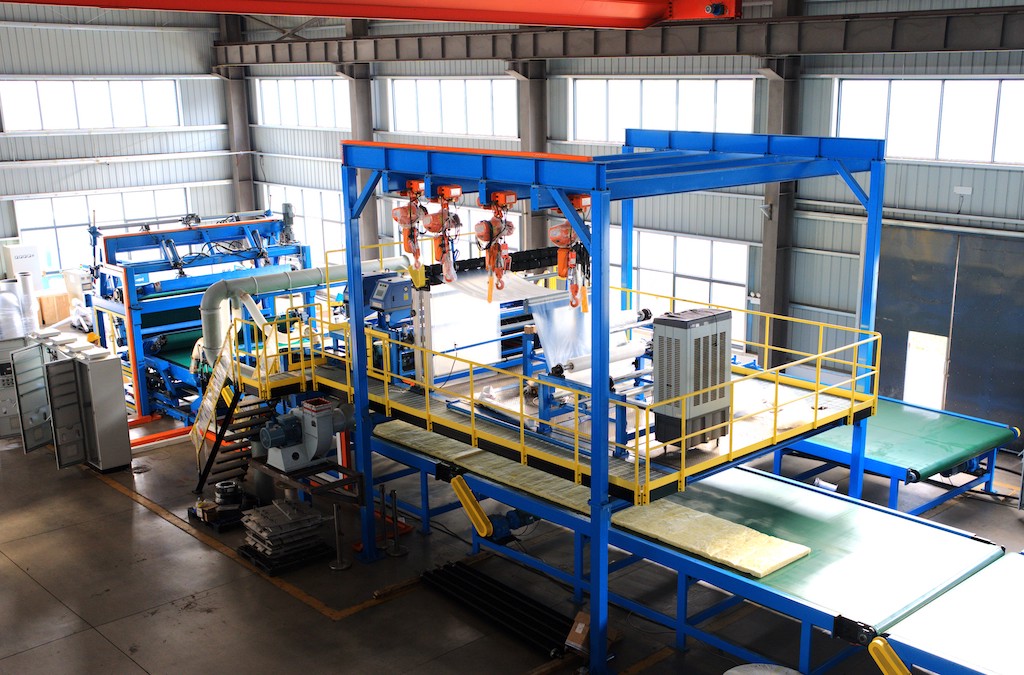
Beyond furnaces, Sundiatec also supplies intelligent glass inspection systems and mineral wool production lines (glass wool and rock wool), which can be useful if you want one partner across melting and quality control. As with any supplier, we recommend you request references and confirm current figures directly before making a final decision.
Common Mistakes to Avoid When Buying a Glass Furnace
• Choosing on price alone. A cheaper furnace that burns more fuel or needs an early rebuild will cost you more within a few years.
• Ignoring emissions rules. Environmental limits are tightening in many regions. Confirm your supplier's De-NOx and flue gas options early.
• Skipping the operator training plan. Even an excellent furnace underperforms if the team running it is not fully prepared.
• Overlooking logistics and spare parts. Ask about lead times for critical components and how remote support is handled across time zones.
Frequently Asked Questions
Is an oxy-fuel furnace more expensive than a conventional furnace?
Upfront cost varies by project, and oxygen supply adds an operating expense. However, savings in fuel, emissions control and rebuild complexity often offset this. A supplier should provide a lifecycle comparison specific to your plant.
How long does a glass furnace project take?
Timelines depend on furnace capacity, glass type and site readiness. Turnkey suppliers who manage design, installation and commissioning together generally offer more predictable schedules than fragmented contracts.
Can a Chinese manufacturer support customers outside China?
Yes. Experienced exporters run international projects regularly. What matters is proven overseas delivery, English-language documentation and clear commissioning and training support.
Conclusion: Choose Experience, Not Just a Quotation
Finding the right glass furnace manufacturer in China comes down to a few fundamentals: proven project experience, real R&D capability, a complete set of auxiliary systems, and a partner who stays with you from design to stable production. Oxy-fuel technology offers a strong route to lower energy use, cleaner emissions and better glass quality, but only when it is engineered and commissioned properly.
If you are comparing suppliers of glass melting furnaces or looking for a dependable oxy-fuel furnace manufacturer, speak with the Sundiatec team about your project. Share your glass type, target capacity and timeline, and get a tailored turnkey proposal from engineers who do this every day.
Ready to start? Contact Sundiatec today at info@sundiatec.com or call +86 13291201307 to request your exclusive glass production solution.

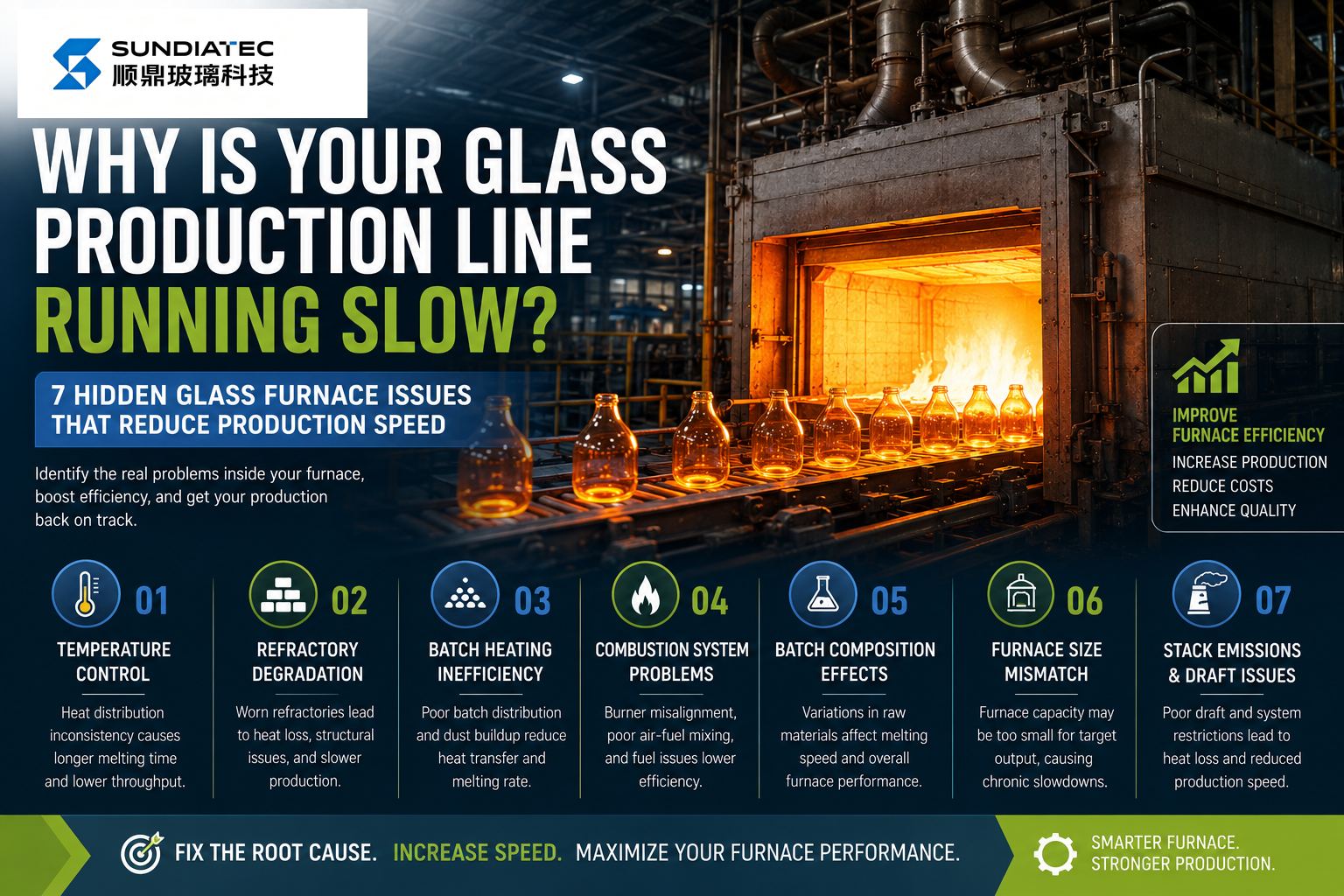
Unlock Your Exclusive Glass Production Solution!