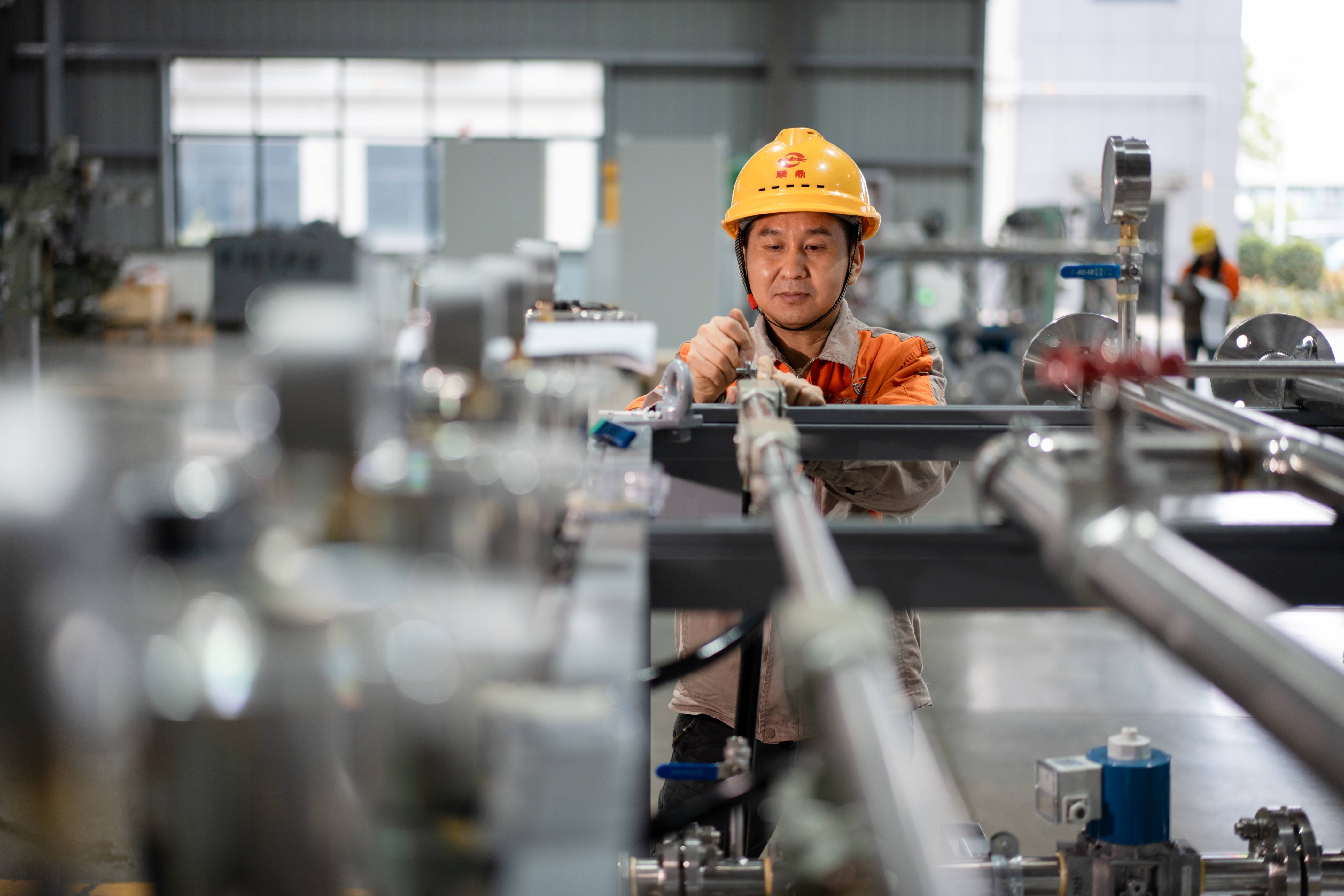










A reliable glass melting furnace supplier can show completed projects at your capacity, explain exactly what is included in their quotation, provide clear technical specifications, and support you through installation and commissioning.
Before you compare glass melting furnace price quotes or browse any glass melting furnace for sale, use a structured checklist covering technology fit, refractory quality, scope of supply, energy performance, and after-sales service. Price alone is the weakest way to choose a supplier.
Why Supplier Choice Matters More Than the Furnace Itself
Two furnaces with nearly identical specifications on paper can perform very differently once built. The difference usually comes from the supplier: the quality of engineering calculations, the grade of refractory materials, the care taken during construction, and the competence of the commissioning team.
A furnace is a multi-year, multi-million-dollar asset that runs continuously, so a weak decision at the purchasing stage tends to show up later as higher energy bills, unplanned shutdowns, or an early rebuild.
That is why experienced plant managers treat supplier selection as a risk-management exercise, not a simple price comparison. The checklist below is designed to help you do exactly that.
The Buyer Checklist: 8 Things to Verify Before You Sign
1. Verified Project Experience at Your Scale
Ask for a list of completed furnaces with capacity, glass type, and start-up year. A glass melting furnace supplier who has mainly built small laboratory-scale units may struggle with a continuous 200-ton-per-day line, and the reverse is also true. Where possible, ask to speak with an existing customer or visit a running installation.
2. Technology Options that Match Your Energy Situation
Your local energy prices should shape the furnace type. Fuel-fired and oxy-fuel designs suit plants with affordable gas, while an all electric glass melting furnace can make sense where electricity is cheap, clean, or where emissions rules are strict. All-electric designs offer very low on-site emissions and precise temperature control, but they generally suit specific glass types and capacity ranges. A good supplier will explain the trade-offs honestly instead of pushing a single technology.
3. Transparent Refractory Specification
Refractories are the largest driver of furnace life. Ask which grades are used in the melting tank, throat, crown, and electrode zones, who manufactures them, and what campaign life the supplier is prepared to stand behind. Vague answers such as "high-quality materials" are a warning sign.
4. A Clear Scope of Supply
Many disputes start because two quotations that look similar actually cover different things. Confirm in writing whether the price includes engineering design, steel structure, refractory supply, burners or electrodes, batch charging, control system, installation supervision, commissioning, and training.
5. Energy and Performance Guarantees
Ask the supplier to state expected energy consumption per ton of glass, melting capacity, and glass quality parameters. Reputable suppliers will define how these figures are measured and what happens if they are not met.
6. Manufacturing Capability and Quality Control
Find out whether the supplier fabricates key components in-house or outsources them. A supplier with its own workshop and documented quality control can trace problems and correct them faster than one that simply assembles third-party parts.
7. Commissioning and After-Sales Support
Furnace start-up is the most delicate phase of the project. Confirm that the supplier provides experienced commissioning engineers, operator training, and a defined response process after handover, including spare parts availability and remote technical support.
8. Financial Stability and Contract Terms
Review payment milestones, delivery schedules, warranty period, and penalty clauses. Payment structures tied to real project milestones protect you far better than large upfront payments.
Understanding Glass Melting Furnace Price
Buyers often ask for a single glass melting furnace price, but an accurate figure can only be given after the supplier understands your project. Cost is driven by several factors, and knowing them helps you compare quotations properly.
Remember that the purchase price is only part of the total cost of ownership. A cheaper furnace that uses more energy or needs an early rebuild can cost far more over its lifetime than a better-engineered alternative.
Buying a Glass Melting Furnace for Sale vs. Ordering a Custom Build
Some buyers look for a glass melting furnace for sale from existing stock or standard designs, while others order a custom-engineered system. Standard designs can shorten delivery time and reduce cost when your requirements are conventional. Custom designs make more sense for unusual glass compositions, tight site constraints, or specific energy goals. Whichever route you choose, the same checklist applies.
What About Related Equipment Like a Glass Melting Machine?
Search terms such as glass melting machine are often used for smaller melting units or for the melting system as a whole. If your requirement is a small-scale or specialty unit, tell suppliers early, since the design approach differs from a large continuous furnace. For industrial production, make sure everyone is using the same terminology so quotations are truly comparable.
Red Flags When Evaluating a Supplier
• Unwillingness to share reference projects or customer contacts
• Quotation far below competitors without a clear technical explanation
• No written specification for refractory grades or performance figures
• Pressure to sign quickly or pay a large deposit before design approval
• No defined commissioning or after-sales support plan
Frequently Asked Questions
How do I compare quotations from different suppliers?
Build a simple table using the same criteria for every supplier: scope of supply, refractory grades, guaranteed energy consumption, delivery time, payment terms, and support. This makes real differences visible beyond the headline price.
Is an all electric glass melting furnace suitable for every plant?
No. All-electric designs work well for certain glass types and capacity ranges, especially where electricity is affordable and emissions control is a priority. Larger container or float glass plants often still rely on fuel-fired or hybrid designs.
How long does it take to receive a furnace after signing the contract?
Timelines depend on capacity and complexity, but engineering, fabrication, shipping, construction, and commissioning together usually take many months. Ask for a milestone schedule in the contract.
What documents should I request before making a decision?
Request a detailed quotation, technical specification, reference list, refractory data sheets, warranty terms, and the proposed commissioning plan.
Conclusion
Choosing a glass melting life furnace support is one of the most consequential decisions in a glass plant project. Use the checklist to verify project experience, technology fit, refractory quality, scope of supply, guarantees, and support before you compare any glass melting furnace price. The right supplier reduces risk, protects your investment, and helps your furnace deliver stable, efficient production for years.
Ready to compare your options with a supplier that shows its work? Sundiatec designs and supplies glass melting furnaces, including oxy-fuel systems, with turnkey installation and commissioning support, contact our team for a detailed quotation tailored to your project.

Unlock Your Exclusive Glass Production Solution!