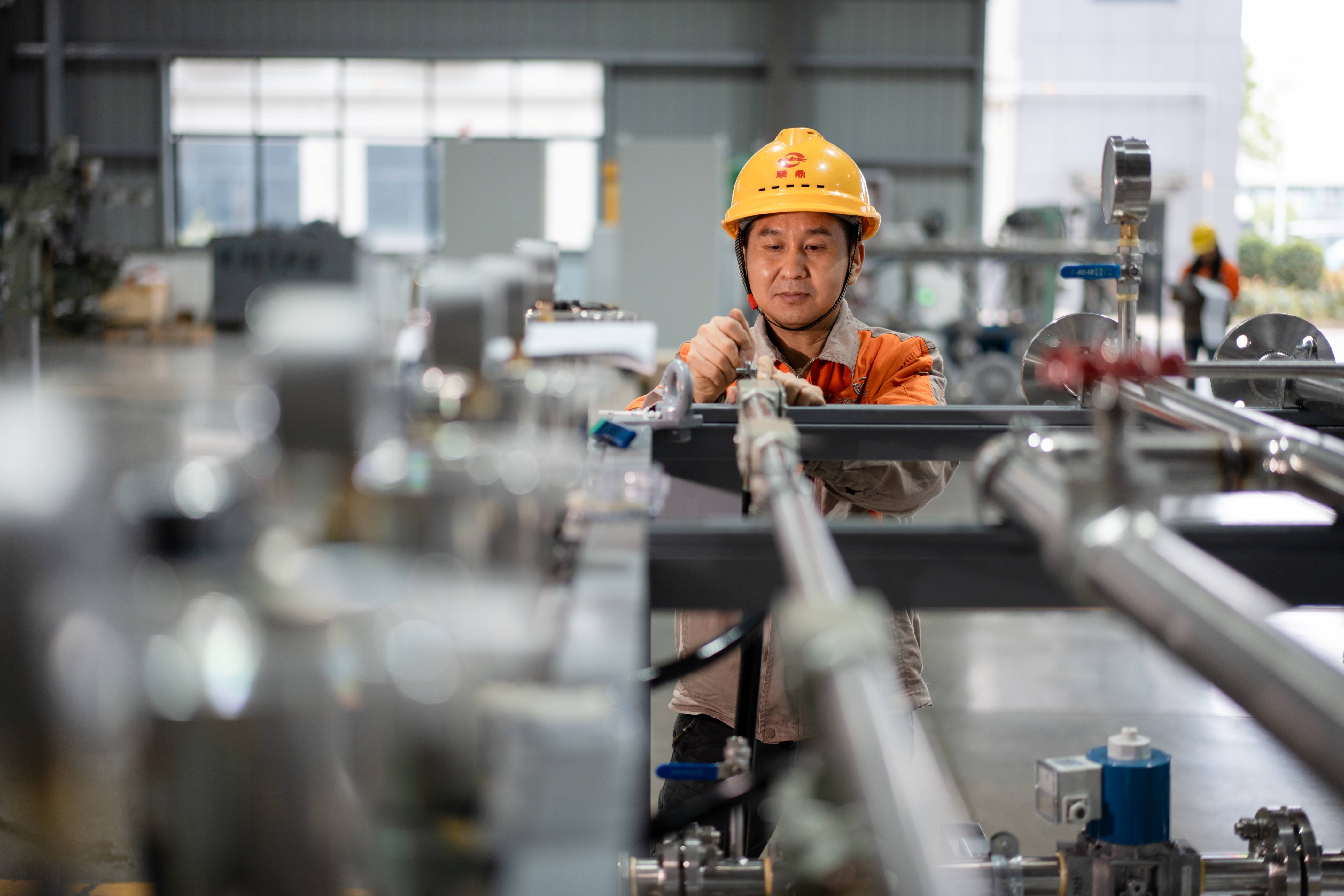










Rock wool production involves melting basalt and other volcanic rock at high temperature, spinning the molten material into fine fibers, binding those fibers with resin, and curing them into insulation boards, slabs, or blankets. The process depends heavily on stable, high-temperature melting equipment, which is why many rock wool manufacturers work with the same specialized suppliers, including a glass furnace manufacturer or glass melting furnace supplier, that build high-temperature melting systems such as oxy-fuel glass furnace lines for other industries.
What is Rock Wool and Why It Used
Rock wool, also called mineral wool or stone wool, is an insulation material made primarily from basalt rock, along with materials like slag in some formulations. It's valued for its high thermal resistance, fire resistance, and sound absorption, which makes it a standard choice in building insulation, industrial pipe insulation, and fireproofing applications. Unlike glass wool, which is produced from recycled glass and sand, rock wool starts from natural volcanic rock, giving it a higher melting point and stronger fire performance.
Rock Wool Production Process Step by Step
1. Raw Material Selection and Preparation
Basalt rock, along with smaller amounts of other minerals, is selected based on chemical composition to ensure consistent melting behavior and fiber quality. Raw materials are crushed and sized before being fed into the melting furnace.
2. Melting
The prepared raw material is melted at temperatures typically between 1,400°C and 1,500°C. This stage is the most energy-intensive and technically demanding part of rock wool production, and it depends on furnace design, refractory quality, and combustion control in much the same way that glass melting does.
3. Fiberization
Molten rock is fed onto a series of high-speed spinning wheels or discs, which throw the material outward and stretch it into fine fibers through centrifugal force. Fiber diameter and length are controlled here, directly affecting the insulation properties of the final product.
4. Binder Application
A resin binder is sprayed onto the fibers as they form, along with oil to control dust and improve handling. The binder holds the fibers together once cured and influences the mechanical strength of the final product.
5. Curing
The fiber mat passes through a curing oven where heat sets the resin binder, giving the material its final shape, density, and mechanical strength.
6. Cutting and Finishing
The cured mat is cut into boards, slabs, or rolls according to required dimensions, then packaged for shipping. Some products receive additional facing materials, such as foil or fabric, depending on the application.
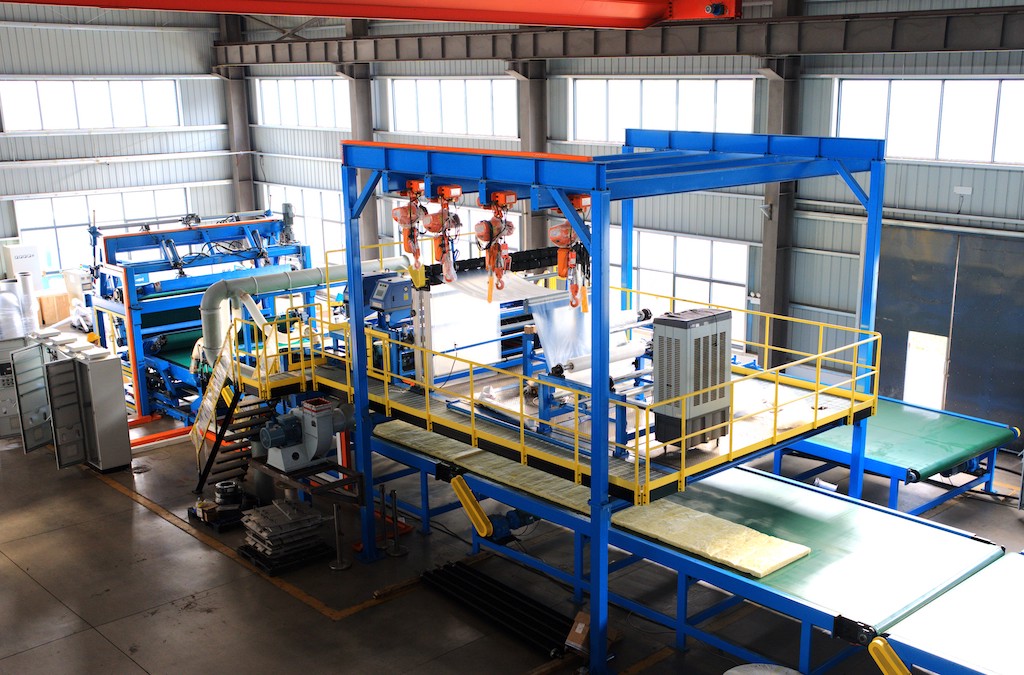
Key Equipment in a Rock Wool Production Line
Key Considerations When Setting Up Rock Wool Production
Furnace Design and Energy Efficiency
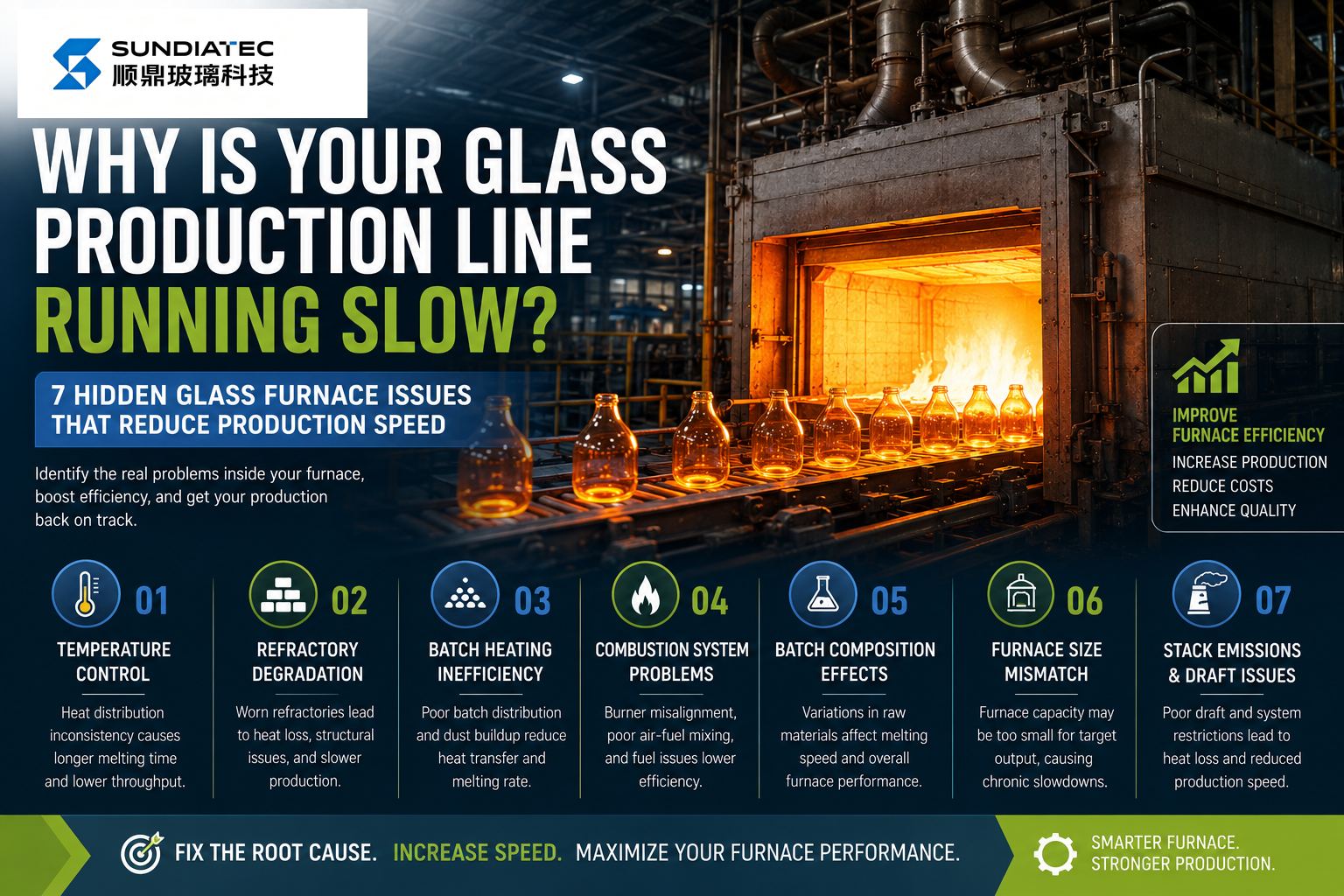
Since melting is the most energy-intensive stage, furnace design has a major impact on operating cost. Manufacturers evaluating new production lines often compare notes with equipment used in the glass industry, since a glass furnace manufacturer working on oxy-fuel glass furnace projects deals with very similar high-temperature melting and combustion efficiency challenges.
Raw Material Consistency
Variability in basalt composition can affect melt viscosity and fiber quality. Reliable raw material sourcing and testing procedures help maintain consistent product performance.
Fiber Quality Control
Fiber diameter, length, and shot content (unwanted non-fibrous particles) determine insulation performance. Regular sampling and adjustment of spinning parameters are necessary to maintain quality standards.
Emissions and Environmental Compliance
Melting furnaces and curing ovens both generate emissions that must meet local environmental regulations. Combustion efficiency improvements, similar to those used in oxy-fuel glass furnace systems, can help reduce fuel use and emissions in rock wool melting as well.
Choosing the Right Equipment Partner
Because melting technology sits at the core of both rock wool and glass production, some manufacturers look to an experienced glass melting furnace supplier when planning a new or upgraded rock wool line, particularly for furnace design, refractory selection, and combustion system engineering.
Rock Wool vs. Glass Wool: A Quick Comparison
Common Challenges in Rock Wool Production
• Managing energy costs during the high-temperature melting stage
• Maintaining consistent fiber quality across production shifts
• Controlling emissions from both the furnace and curing oven
• Balancing binder content for strength without excessive resin cost
• Furnace refractory wear from continuous high-temperature operation
Frequently Asked Questions
What temperature is needed for rock wool production?
Melting typically occurs between 1,400°C and 1,500°C, depending on the exact raw material composition used.
Is rock wool more expensive to produce than glass wool?
Production costs vary by plant and raw material sourcing, but rock wool's higher melting temperature generally means higher energy consumption during the melting stage compared to glass wool.
Can the same furnace technology used for glass be applied to rock wool?
The underlying melting principles are similar, and manufacturers often draw on expertise from glass furnace design, including oxy-fuel glass furnace combustion methods, when engineering efficient rock wool melting systems.
What makes rock wool a good fireproofing material?
Its mineral composition allows it to withstand very high temperatures without burning or releasing significant smoke, which is why it's widely used in fire-rated construction assemblies.
Conclusion
Rock wool production combines raw material science, high-temperature melting, and precise fiber-forming technology to create one of the most effective insulation materials available. Furnace design and melting efficiency remain the biggest factors influencing both product quality and operating cost, which is why many manufacturers turn to experienced equipment partners, including specialists in glass furnace manufacturing and oxy-fuel glass furnace technology, when planning new or upgraded production lines.
Planning a new rock wool or mineral wool production line? Sundiatec brings furnace design and melting technology expertise from both the glass and mineral wool industries, supporting projects from design through turnkey commissioning, get in touch with our team to discuss your requirements.

Unlock Your Exclusive Glass Production Solution!